As senior product designer, I owned the design of Acronis True Image, the company’s flagship consumer product, across 4 major releases. One of my first tasks was to refresh the interface.
Before
Before I joined Acronis, the design of True Image used to change radically every year – literally. Here are screenshots spanning 9 years:

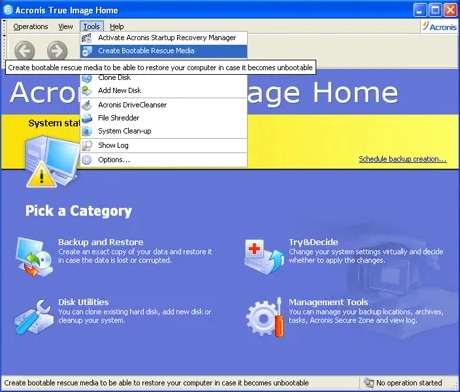

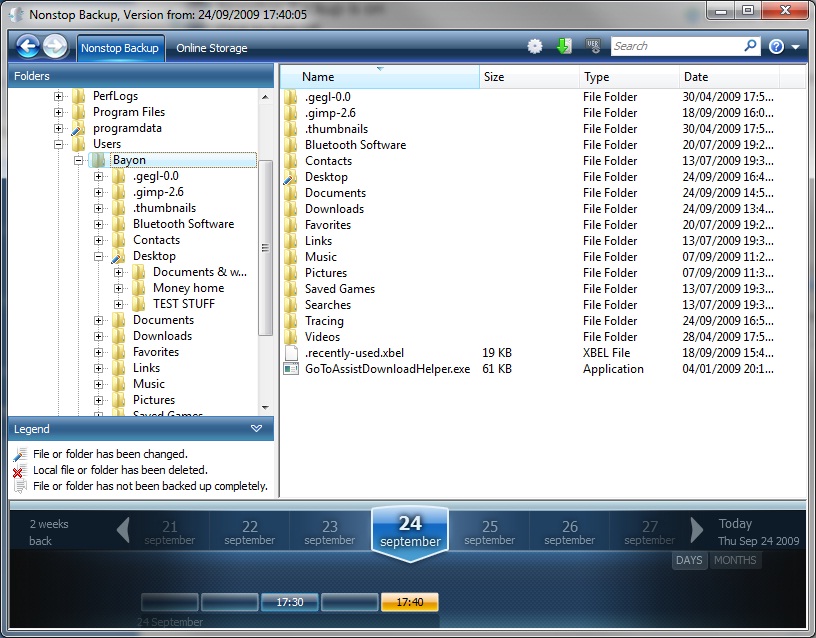

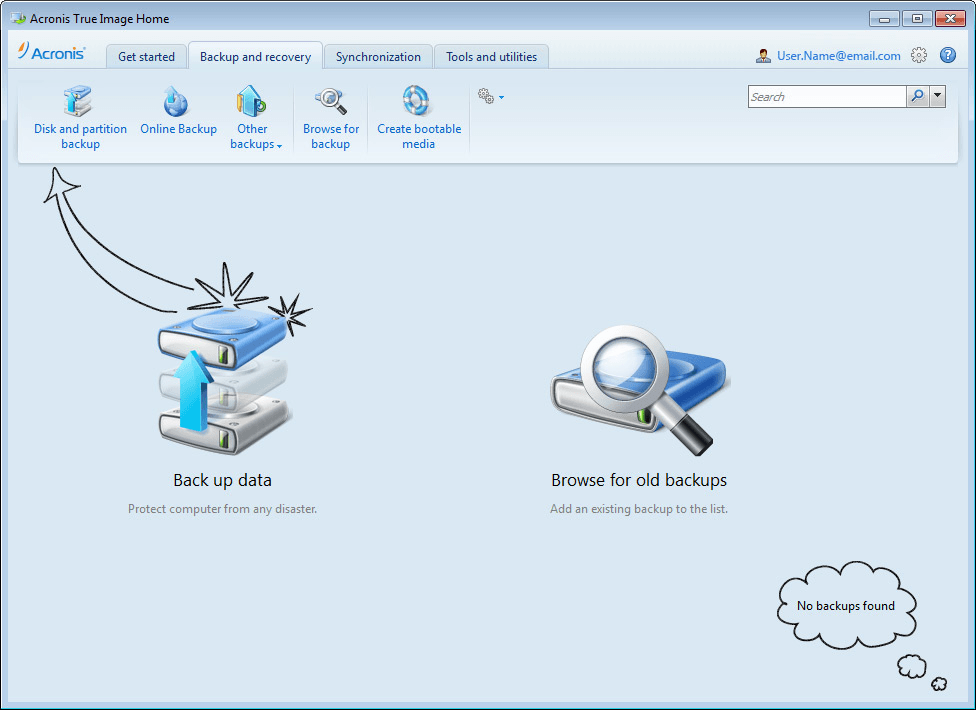
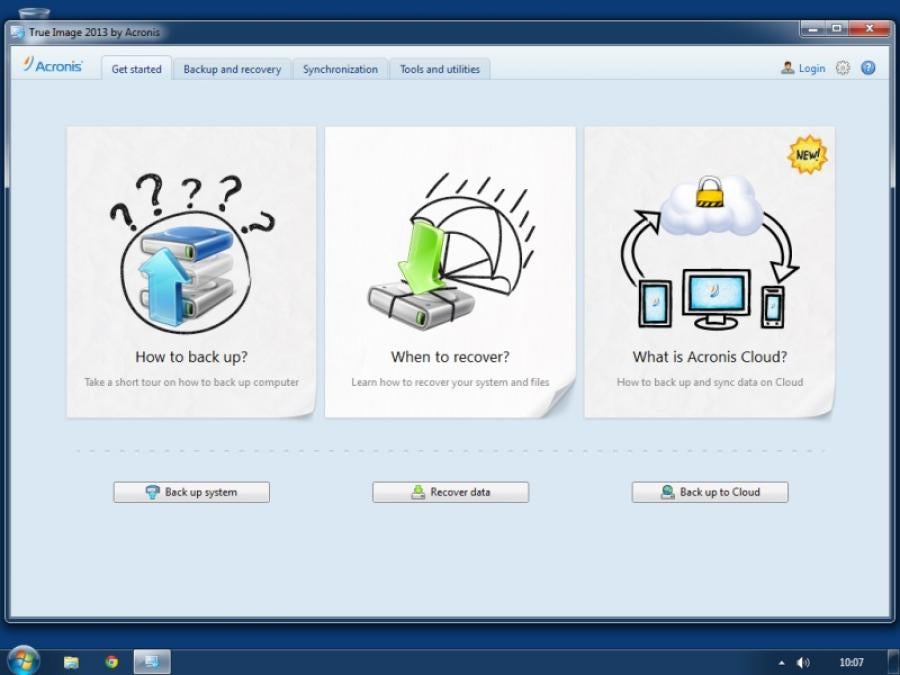
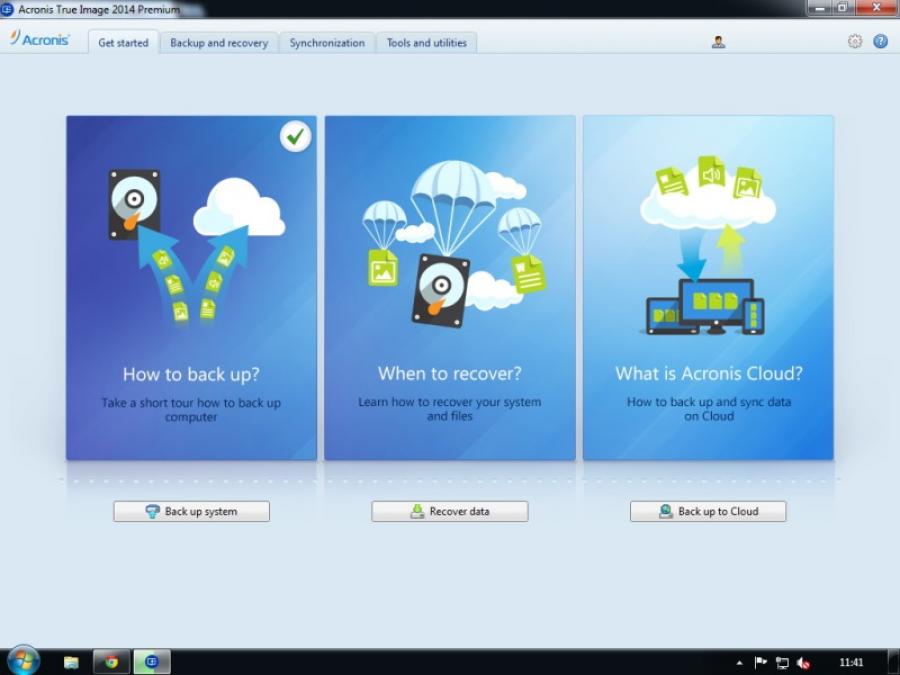
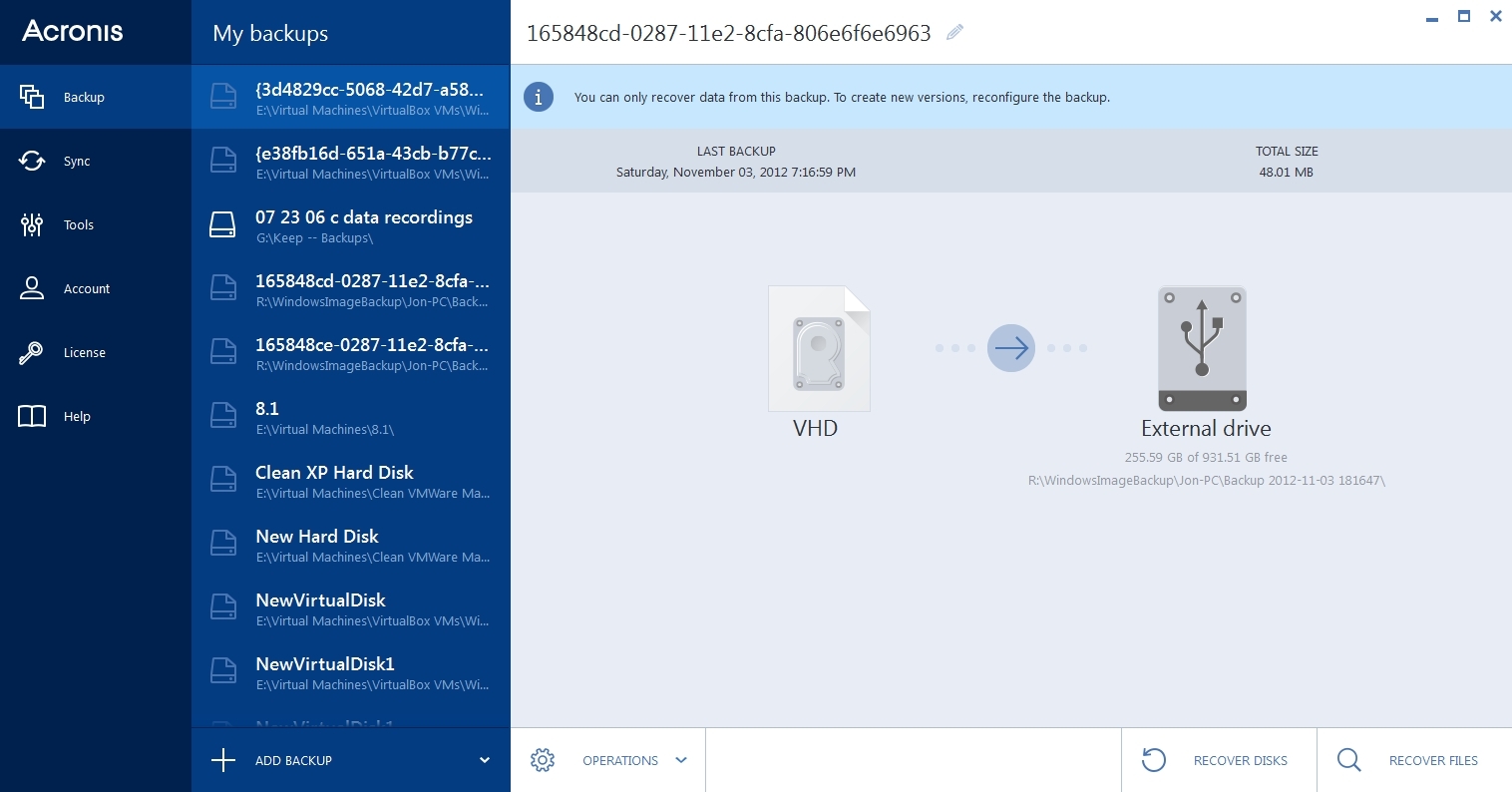
The problem: branding. Shortly before I joined, Acronis had changed its logo and developed a new corporate identity, positioning the company as a manufacturer of high-tech products. A partnership with a Formula 1 team was being established, and an extensive advertising campaign was in the pipeline. However, the look and feel of the flagship product – Acronis True Image – did not really match the company’s claim to be high-tech and modern.
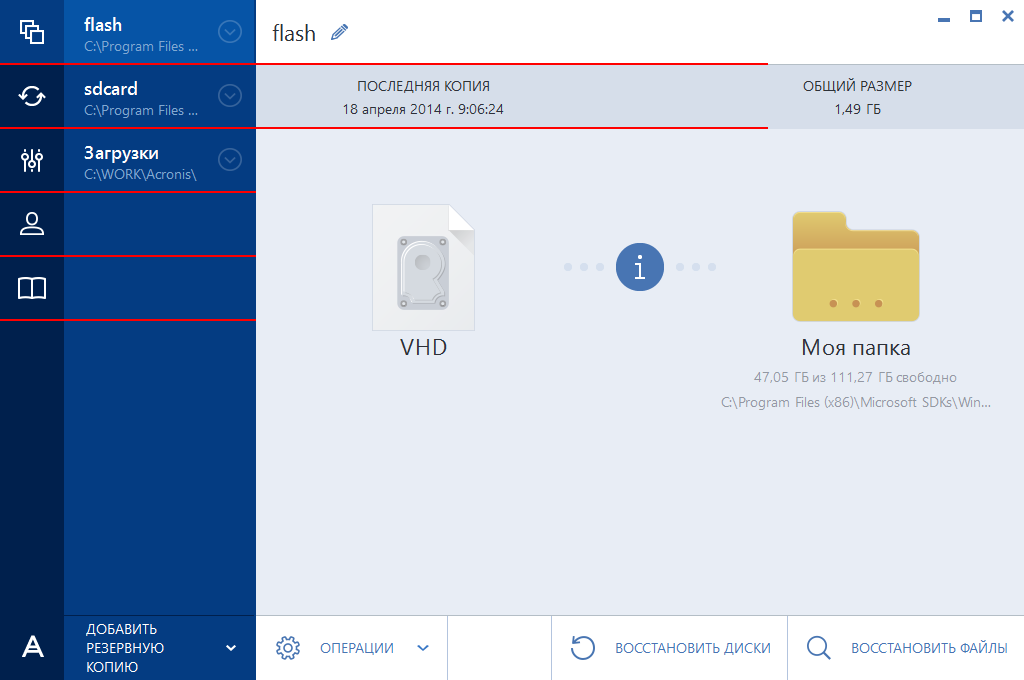
Research: I analysed the product and compiled a list of design theory violations that were preventing True Image from conveying the brand’s spirit. Alongside the visual update, I focused on improving consistency, visual hierarchy, terminology, accessibility and interaction patterns that quietly made everyday tasks harder than they should be. Here are just a few examples:
After
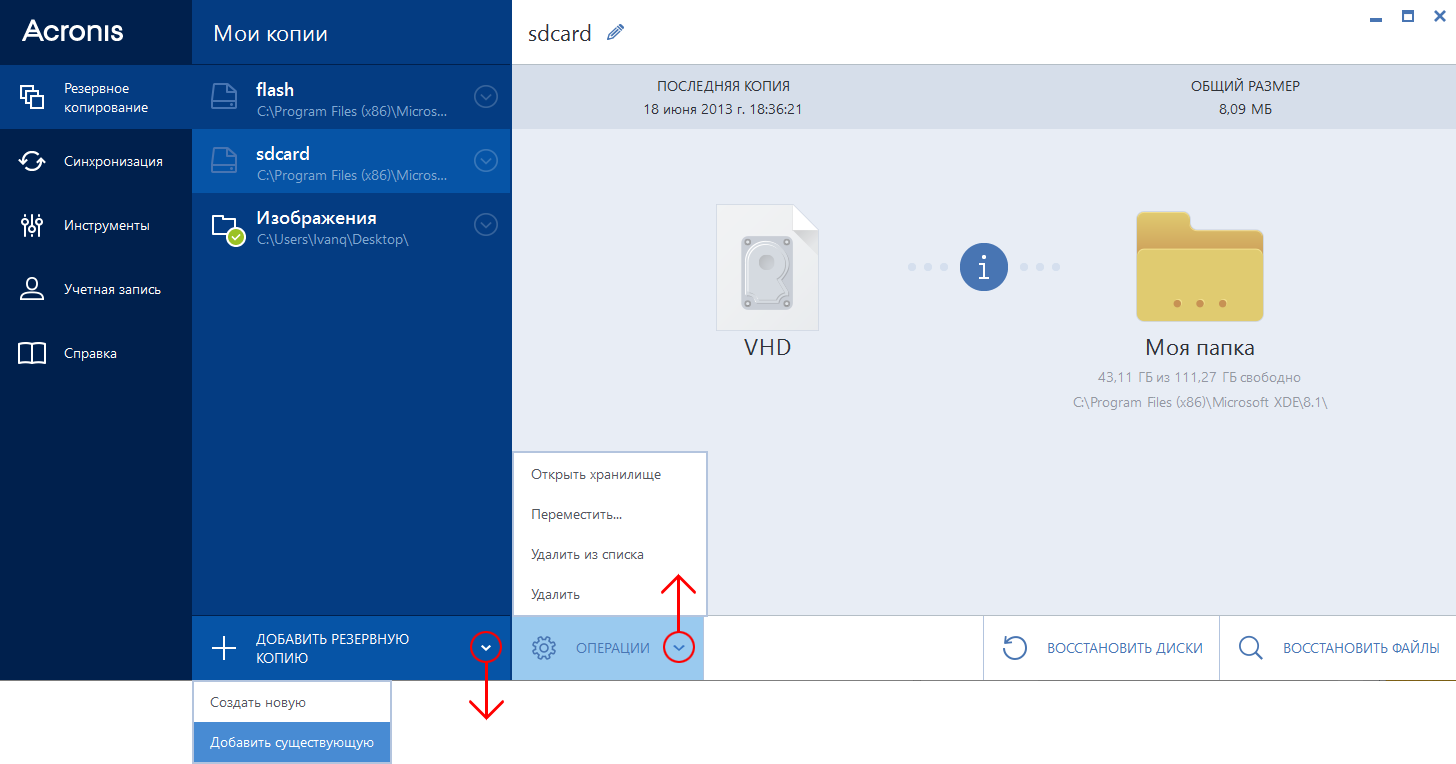
Solution: to avoid slowing down development, I decided not to start the True Image design from scratch, but to retain the best elements of the current version’s design, iron out the flaws and develop the interface in line with the new corporate identity.
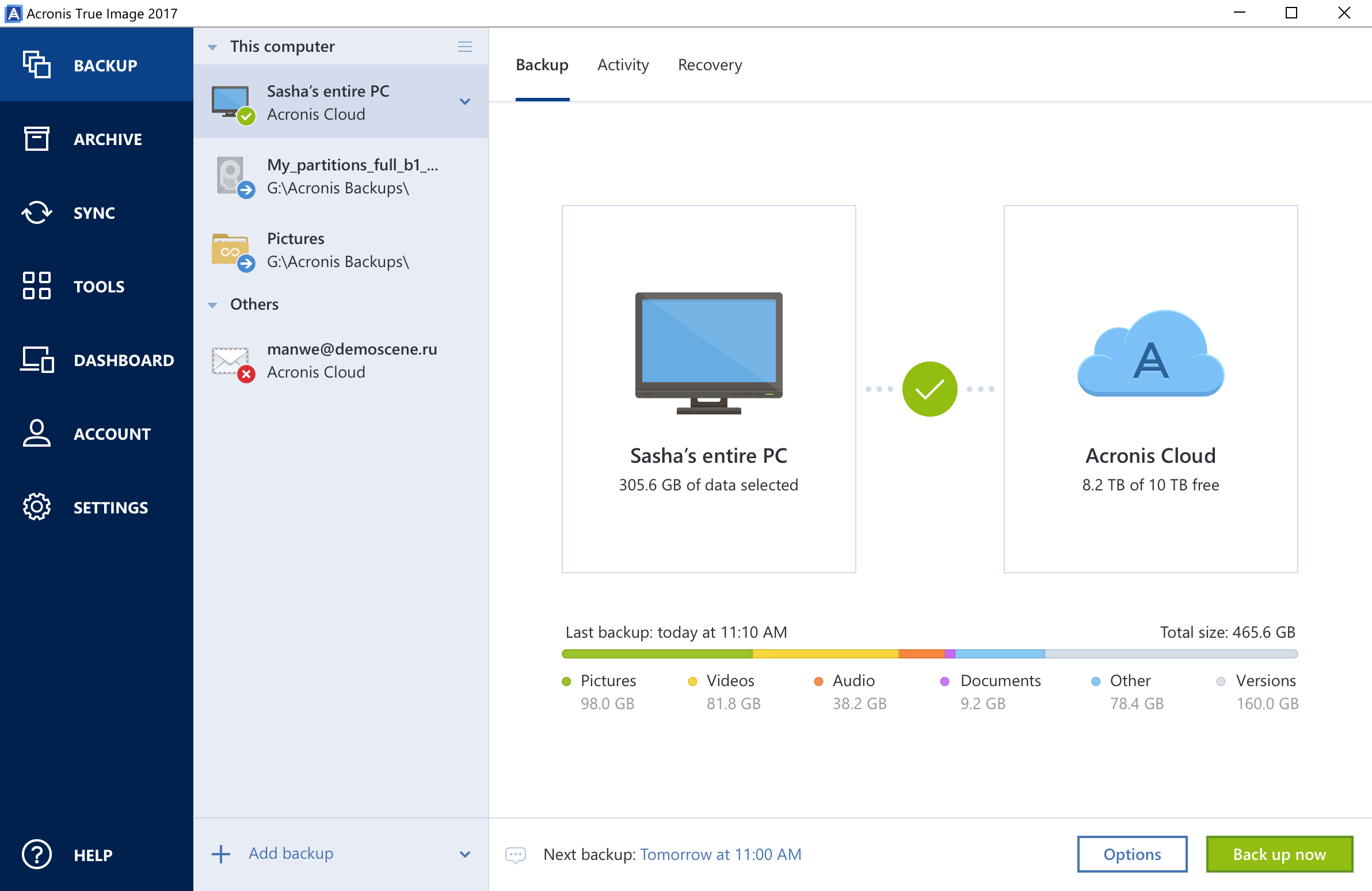
Here are just a few of the dozens of improvements: the icons in the left-hand column are now more stylish and consistent. Support has been added for short (Japanese) and long (Dutch) translations. The background colour of the middle column is now closer to that of the right-hand column, as it is conceptually linked to it. The old-fashioned icons in the middle column have been replaced with pixel-perfect thumbnails of the illustrations used in the right-hand column. The content of the right-hand column is now correctly centred when the programme window is resized. The colour coding of the buttons has been carefully designed.
My contribution to Acronis
Beyond the interface refresh, I designed every major feature introduced over 2.5 years, including archiving and restoring, account and subscription management, settings, backup analytics, activity logs, social media backups, ransomware protection and much more. Give me a call, and I’ll walk you through the details in a problem-solution format.
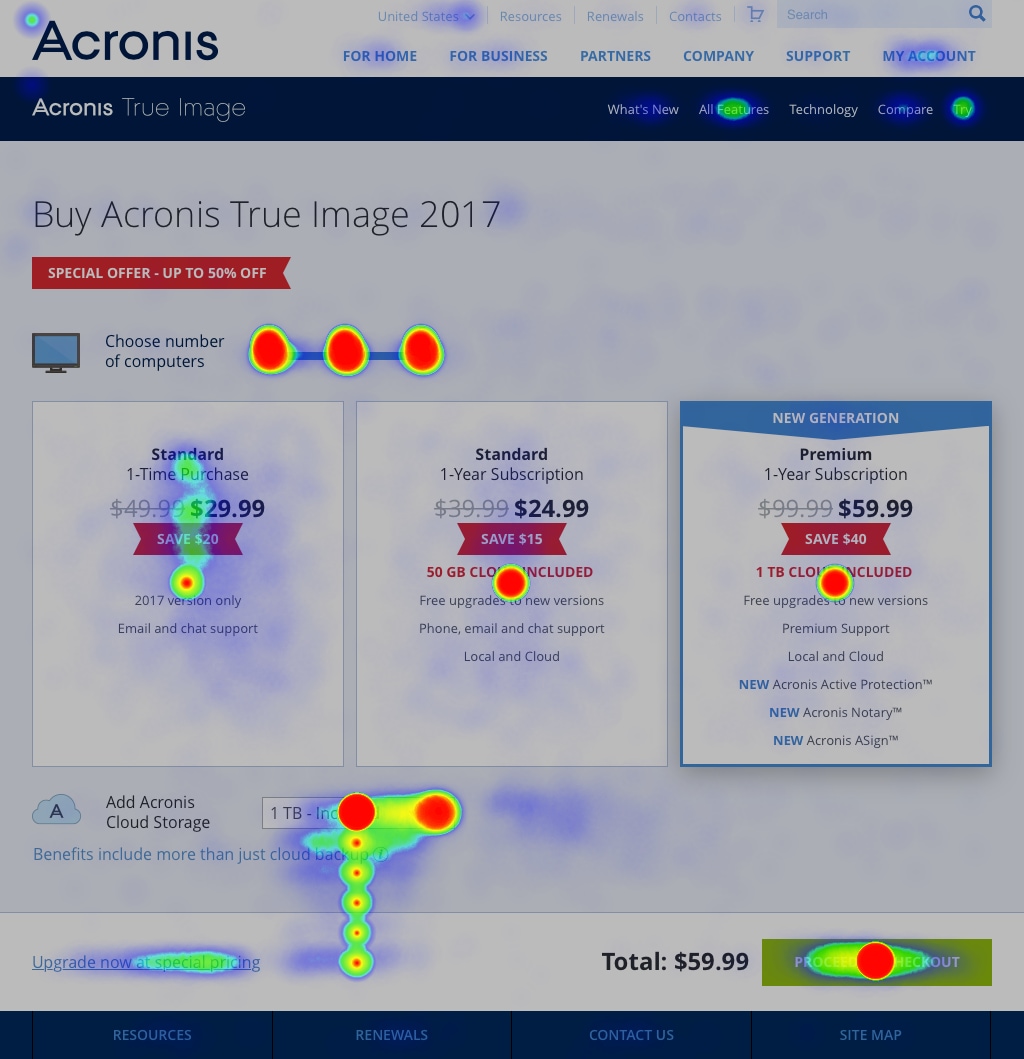
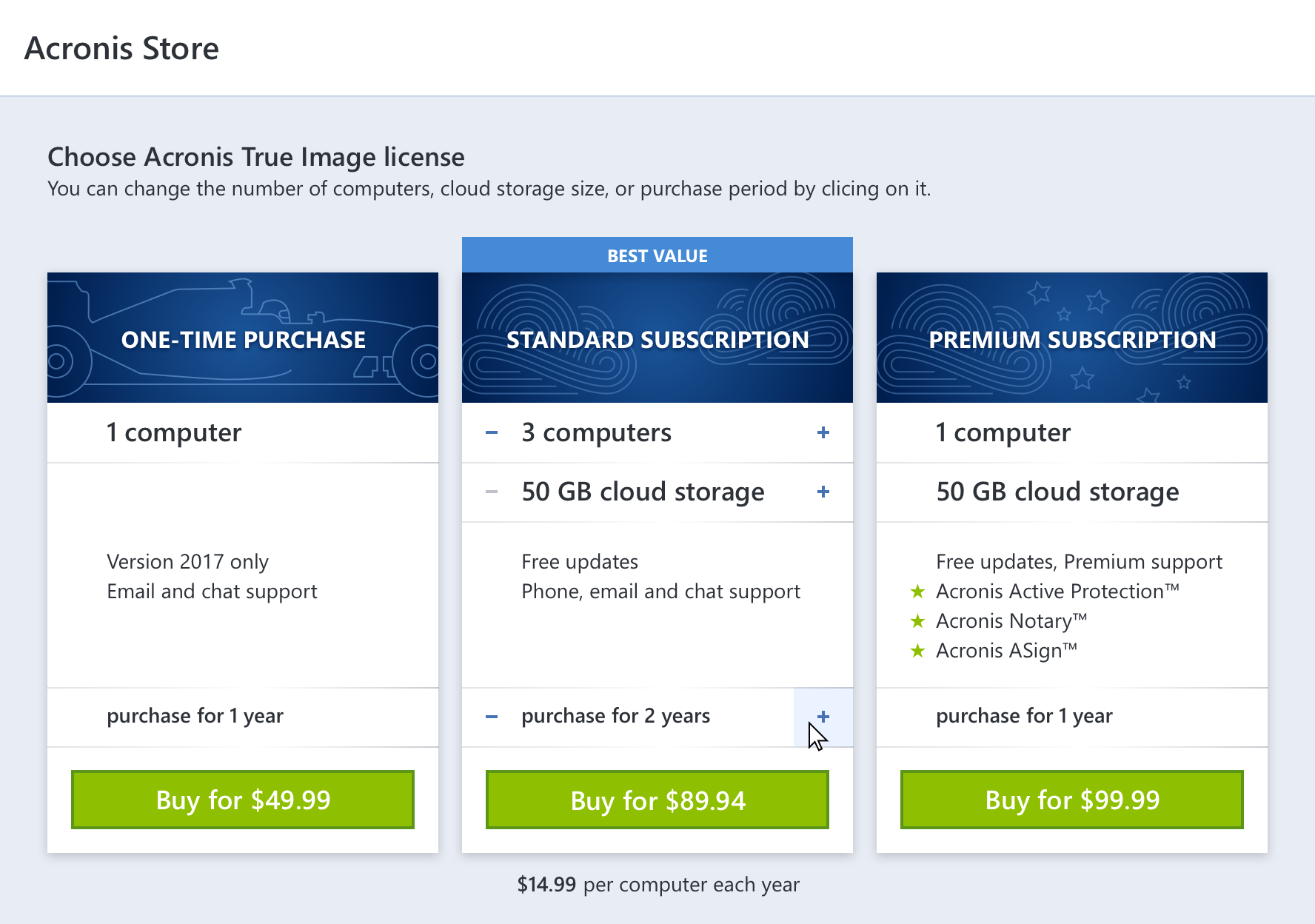
Here’s another example, in a nutshell. Problem: low conversion rates in the shop. Research: heatmap. Conclusion: users often click on the gigabyte figure on the card, but it isn’t an interactive element. Solution: move the gigabyte selector onto the card. Improvement: as users tend to interact with the data within the card, move the selection of the number of computers there as well. As, in this scenario, tapping on a card will not result in a tariff being selected, it is no longer possible to use a single ‘Buy’ button. Each card will have its own ‘Buy’ button next to the options, which will increase the likelihood of it being pressed. Result: this was 9 years ago, so I don’t have the exact data to hand, but Acronis still uses this layout today, which means my solution proved effective and delivered the best conversion rate.
I also helped make design a stronger partner for the rest of the company. I built close relationships with localisation, R&D, QA and technical support teams, created documentation that improved cross-functional communication, and introduced user testing as a regular part of product development. I personally coded prototypes with a level of interactivity standard design tools couldn’t achieve, conducted usability sessions and later expanded research by bringing in an external UX agency.
As my responsibilities grew, I started leading smaller products as both designer and product manager, coordinating work across engineering and other departments from concept to release. I also took on branding tasks.

My time at Acronis coincided with the company’s transformation from a backup utility into a comprehensive cyber protection platform. Many of the solutions I implemented proved so successful that they remain in use, unchanged, to this day. Today Acronis protects more than 750,000 businesses worldwide, its products have received 100+ international industry awards, and the company is consistently recognised as a leader in cyber protection and backup software. Contributing to the UX foundations of the flagship products during this transformation remains one of the highlights of my career.